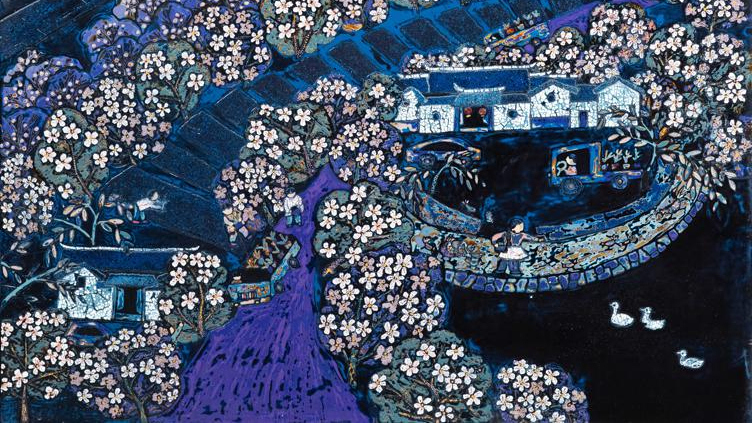
Chinese Folk Paintings
Introduction
Chinese Folk Paintings are an integral aspect of China's rich cultural heritage, reflecting the daily life, beliefs, and traditions of various ethnic groups across the country. These artworks are deeply rooted in the customs and practices of rural communities and often serve as a medium for storytelling and cultural expression. The vibrant colors and unique styles of Chinese folk paintings can vary significantly from one region to another, each carrying its own distinctive characteristics and historical significance.
Historical Background and Origins
The origins of Chinese folk paintings can be traced back to ancient times, with their development influenced by the country's long history and diverse cultures. These artworks often draw inspiration from traditional Chinese mythology, folklore, and everyday rural life. During the Ming (1368–1644) and Qing (1644–1911) dynasties, the practice of creating woodblock New Year prints and murals was popular, laying the foundation for many contemporary folk painting traditions.
One notable example is the Qijiang Farmers' Printmaking, a form of folk painting that originated in the Qijiang district of Chongqing. This unique art form has gained recognition as an intangible cultural heritage of Chongqing, showcasing an exaggerated, romantic, and pure artistic style that draws from the daily life scenes and wild imaginations of local people.
Art Style and Characteristics
Chinese folk paintings, are known for their vibrant colors, bold compositions, and imaginative themes. The art reflects the aspirations and dreams of rural communities, often portraying scenes of farming, festivities, local legends, and traditional customs.
Contemporary Relevance and Future Prospects
As Chinese folk paintings continue to gain recognition worldwide, efforts to preserve and promote these traditional art forms are more crucial than ever.
The future of Chinese folk paintings depends on the continued dedication of artists, cultural institutions, and government bodies to nurture and support these traditions. By fostering a deeper understanding and appreciation for folk art, both domestically and internationally, the rich cultural heritage of Chinese folk paintings can be preserved for future generations, ensuring its place in the global artistic landscape for years to come.








